
A conference to discuss and advance our understanding of polarized emission from accreting black holes, neutron stars and white dwarfs : from stellar-mass systems in our Galaxy to supermassive black holes in the center of galaxies.
Abstract Submission and registration deadline: 27th September, 2026
The global landscape of high-energy astrophysics has been fundamentally transformed by the recent wealth of polarimetric data from missions such as NASA’s Imaging X-ray Polarimetry Explorer (IXPE), which have provided the first direct constraints on the magnetic field structures and emission geometries of accreting systems. However, while the Indian research community possesses significant expertise in traditional X-ray spectroscopy and timing, there remains a critical pedagogical and theoretical bottleneck regarding the physics of polarized radiation. This conference at IUCAA aims to bridge this gap by providing young researchers and university faculty with a rigorous introduction to the underlying theory of X-ray polarization, specifically focusing on General Relativistic (GR) ray-tracing, the nuances of Comptonization in various coronal geometries, and the role of X-ray reflection from the inner disk.
By fostering this theoretical foundation, the conference will empower a new generation of Indian astrophysicists to move beyond empirical data fitting and actively lead the international effort in decoding the complex signatures of strong gravity and accretion dynamics around stellar-mass black holes and neutron stars. The timing of this meeting is particularly critical given the upcoming Chinese eXTP mission, which promises unprecedented effective area and advanced polarimetric capabilities, alongside ongoing synergies with missions like Japan's XRISM.
This conference aims to bring together international and domestic astronomers with expertise in high-energy polarimetry to address the core physical mechanisms of accreting systems. Due to the fundamental differences in the nature of these compact objects, the accretion and emission mechanisms are exceptionally diverse and rich. The primary scientific focus will encompass accreting stellar-mass black holes, neutron stars, and white dwarfs, alongside X-ray pulsars and magnetars.
The conference will feature invited review talks, contributed talks and poster sessions covering the full breadth of modern polarimetry of accreting systems Participation is open to all researchers with relevant interests.
Conference Poster
View the official conference poster, or download it for offline use / printing.
About IUCAA
The Inter-University Centre for Astronomy and Astrophysics (IUCAA) is one of India's premier research institutes in astronomy and astrophysics. The faculty at IUCAA work across theory, observations and instrumentation, and the institute hosts a substantial number of visiting researchers from Indian universities and international centres. The conference will be organised on the IUCAA campus, located within the verdant surroundings of Savitribai Phule Pune University.
For any query please contact the email address xpoco2027@iucaa.in
The conference spans stellar-mass black holes, radio-quiet AGN, and white dwarfs & transients on one side, and low-magnetic-field neutron stars, X-ray pulsars, magnetars, and instrumentation & future scope : covering the full range of compact-object polarimetry from observation to instrument design.
Stellar-mass Black Holes
X-ray binary coronal geometry, jet polarization and accretion disc emission mechanisms.
Low-magnetic-field Neutron Stars
Z/atoll sources and thermal surface emission polarimetry.
X-ray Pulsars & Magnetars
Accreting pulsars, magnetar bursts and QED vacuum birefringence signatures.
Radio-quiet AGN
Corona and disc-wind polarimetry probing the innermost regions of active galactic nuclei.
White Dwarfs & Transients
Cataclysmic variables and transient sources across optical to X-ray polarimetry.
Instrumentation & Future Scope
Next-generation polarimeters, mission concepts and analysis techniques beyond IXPE.
(To be confirmed)
Selected Participants
The list of selected participants will be published here once abstract submissions and registrations are reviewed and confirmed. Please check back after the registration deadline.
Abstract Submission and registration deadline: 27th September, 2026 | Conference dates: 11-15 th January, 2027
Registration Fee
| Category | Fee |
|---|---|
| Indian faculty / scientists | ₹ 10,000 |
| Indian postdoctoral researchers | ₹ 5,000 |
| Indian PhD students | ₹ 5,000 |
| Foreign participants | € 200 |
| Foreign students | € 100 |
Please click here for registration form.
>> Details for "Registration Fee" payment will be updated soon.
>> The registration fee includes food (breakfast, lunch, snacks, dinner) for all participants.
>> Shared accomodation will be provided to all foreign students (Two students per room).
>> IUCAA will provide on-campus guest house accommodation (subject to availability).
>> Local hospitality details will be communicated to confirmed participants.
To Be Disclosed Soon
The detailed programme — invited speakers, contributed talk schedule and poster sessions — will be published after abstract review.
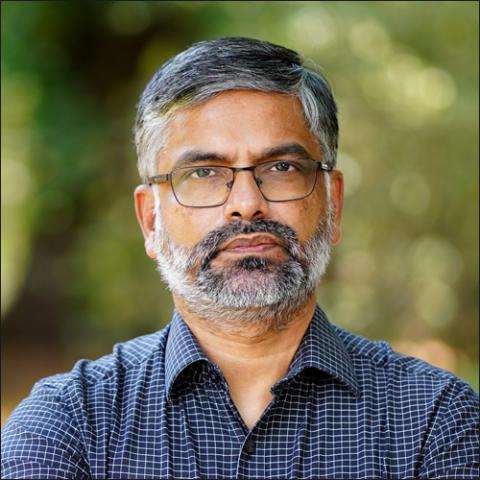
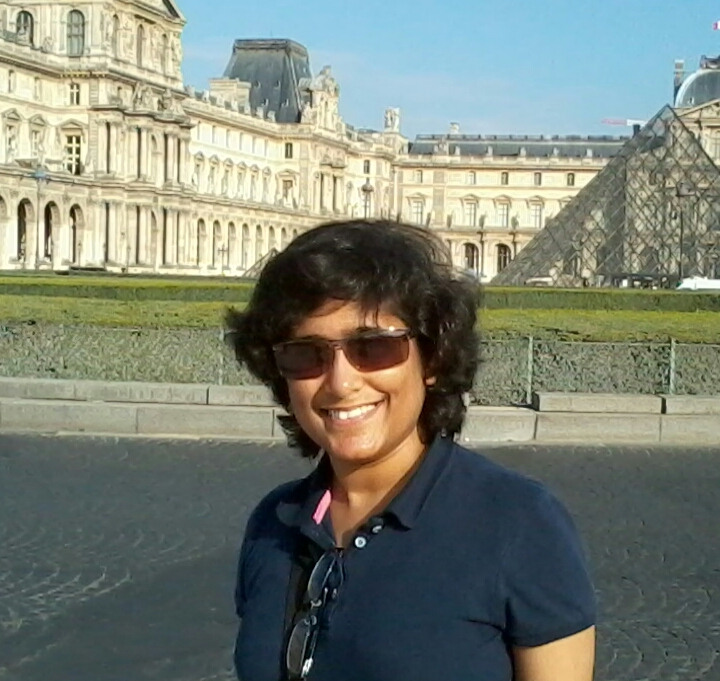
Scientific Organising Committee (SOC)
Responsible for the scientific programme, invited speaker selection and abstract review.








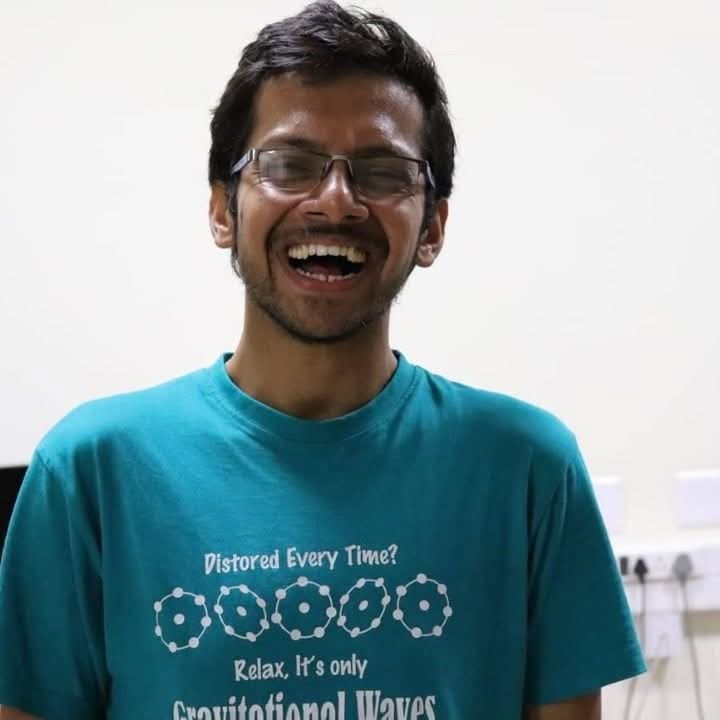
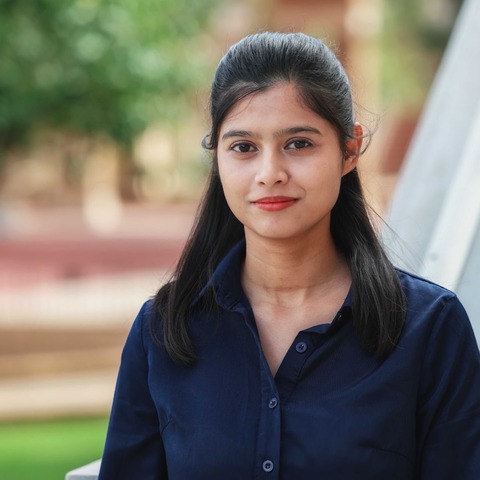
Young Scientific Organising Committee (YSOC)
Organises the poster session, young researcher talks and networking events for students and postdocs.










Local Organising Committee (LOC)
Handles venue logistics, accommodation, catering and on-site support during the conference.
- Dr. Akash Garg
- Prof. Chandreyee Maitra
- Prof. Gulab Chand Dewangan
- Dr. Rahul Sharma
- Prof. Ranjeev Misra
- Dr. Suchismito Chattopadhyay
- Dr. Sudeb Ranjan Datta
- Dr. Tanuman Ghosh
- Dr. Tathagata Saha
- IUCAA Standing LOC
Venue
The conference will be held at IUCAA, Post Bag 4, Ganeshkhind, Pune 411007, Maharashtra, India — within the Savitribai Phule Pune University campus. The city of Pune is about 170 km south-east of Mumbai along the Mumbai–Pune Expressway and lies at an altitude of 559 m. The climate is mostly pleasant year-round.
IUCAA Campus
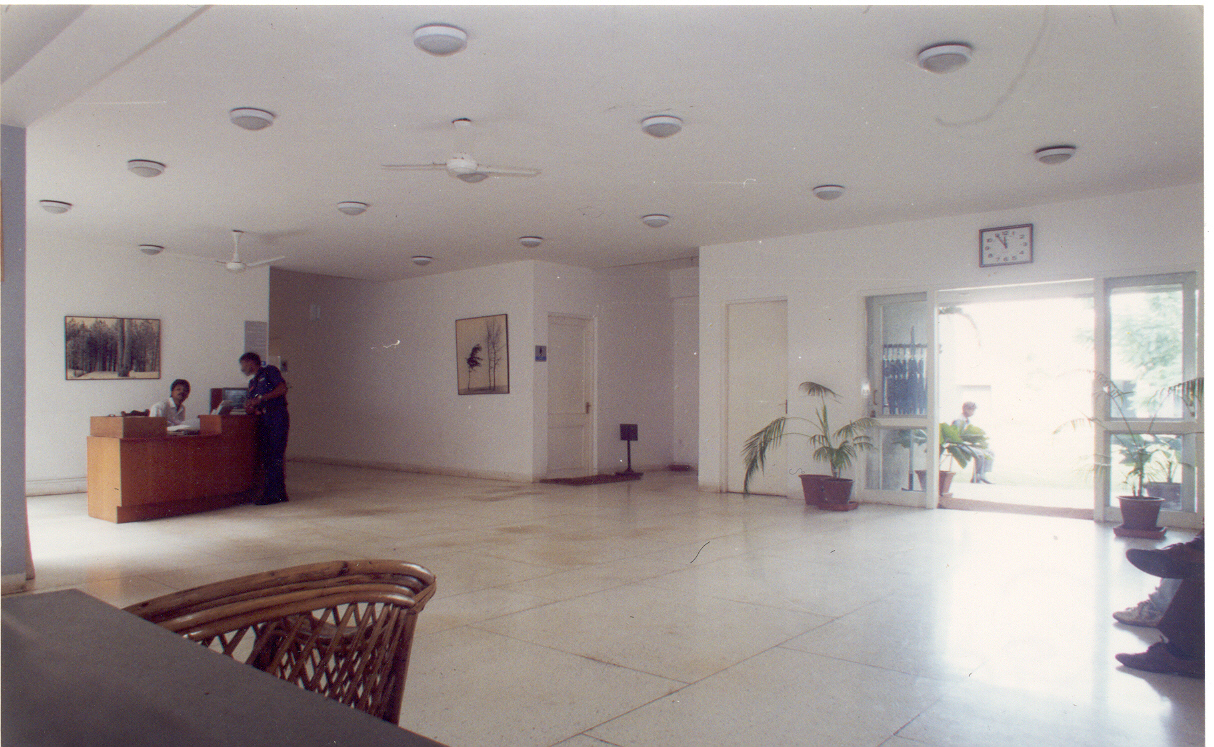
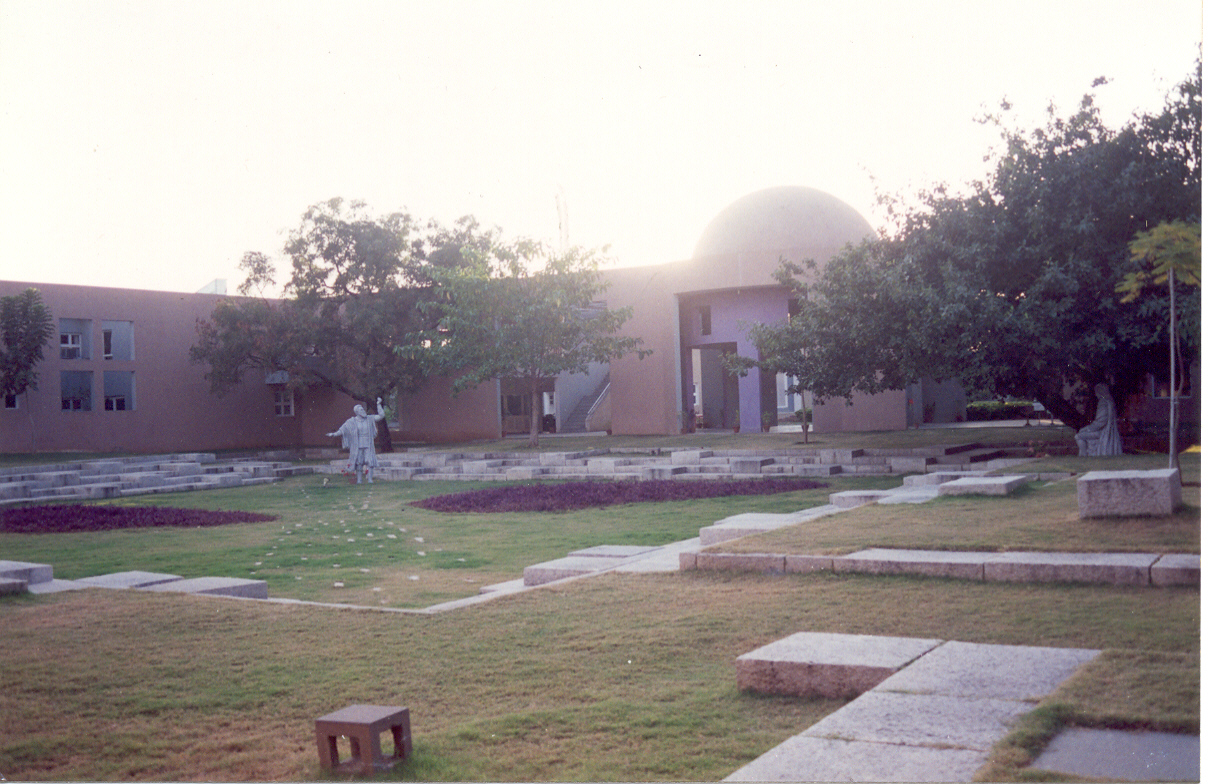
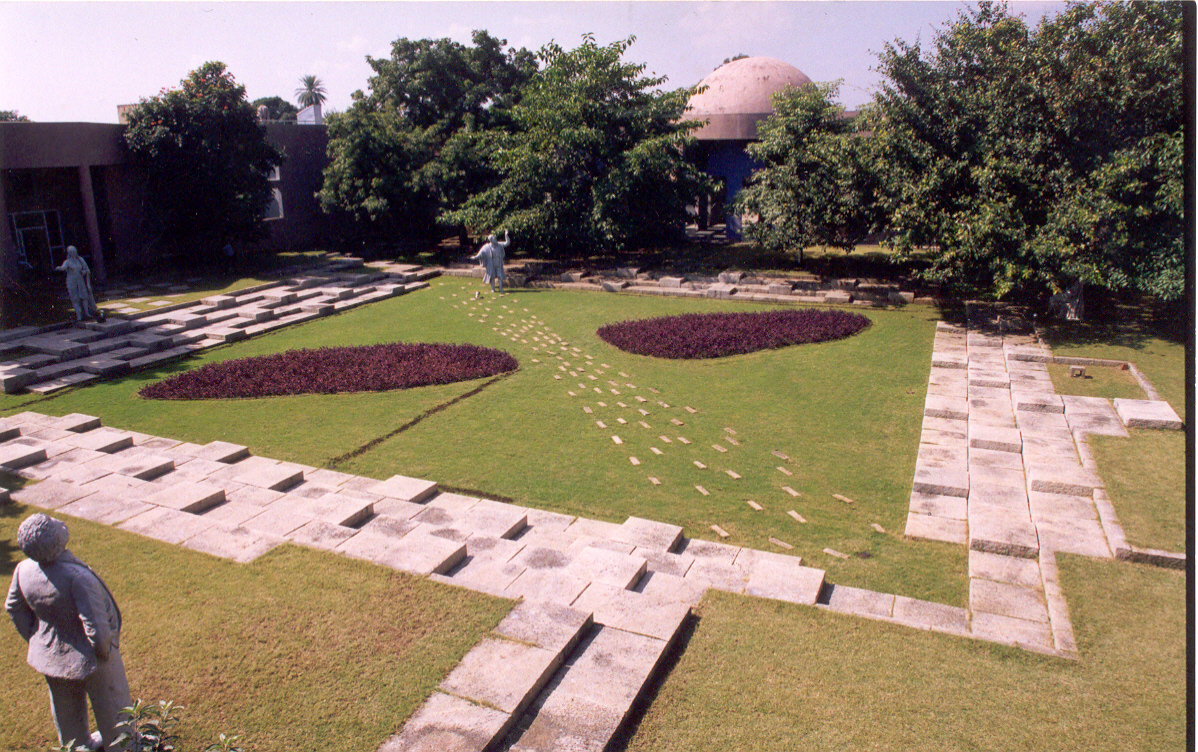
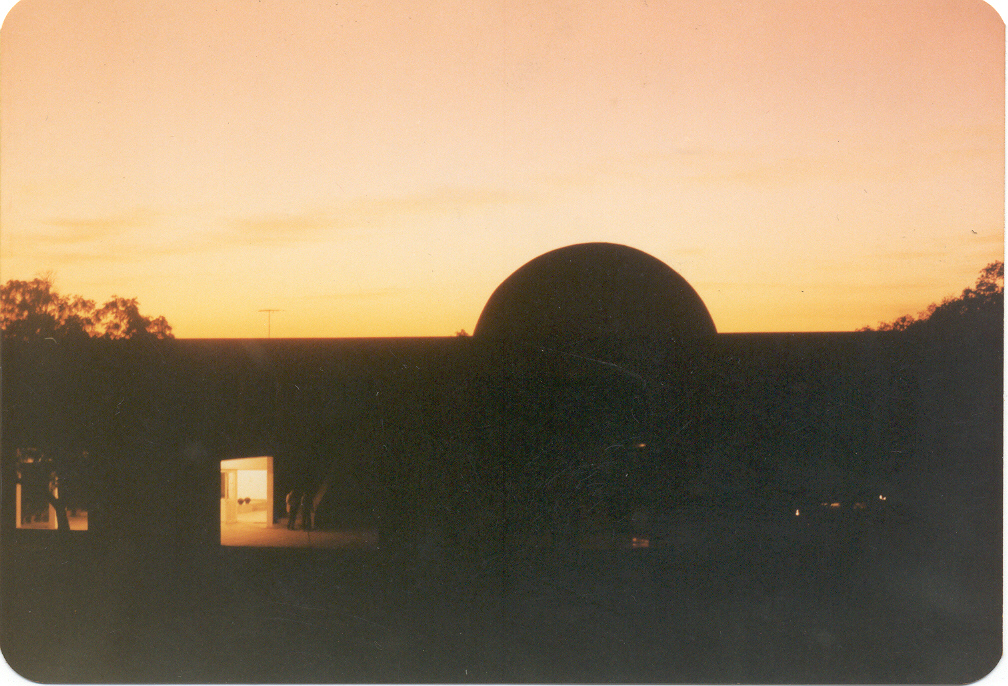
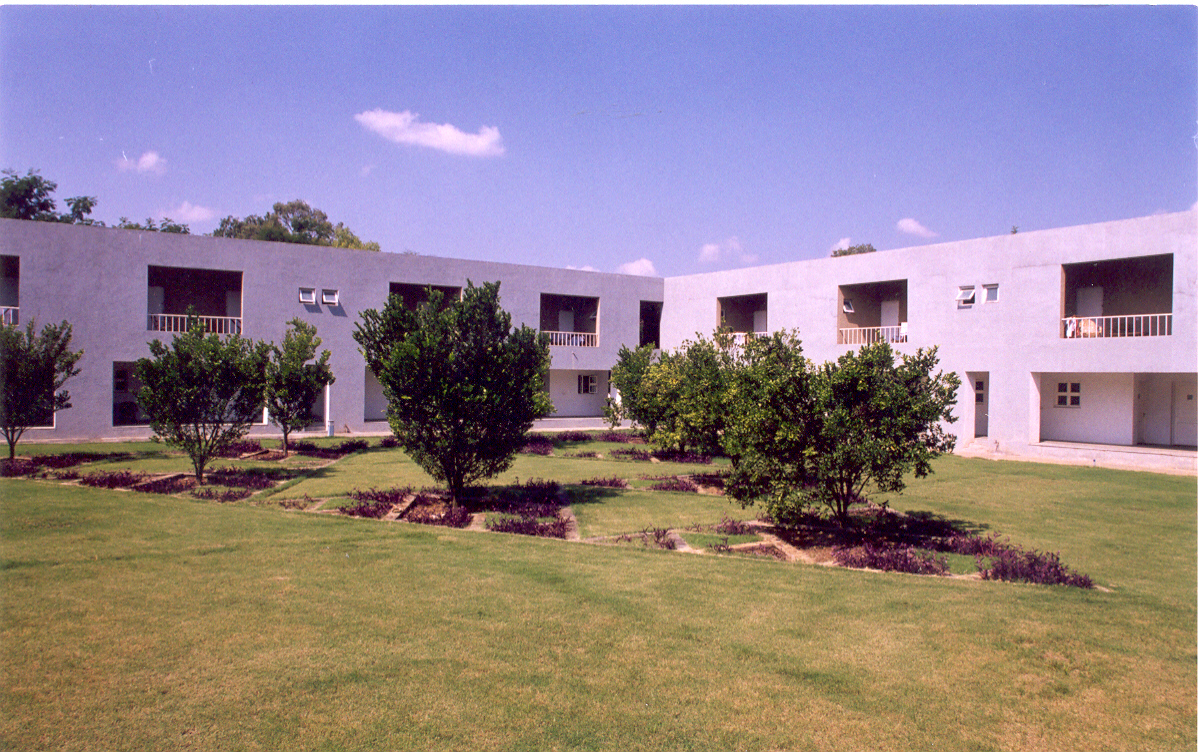
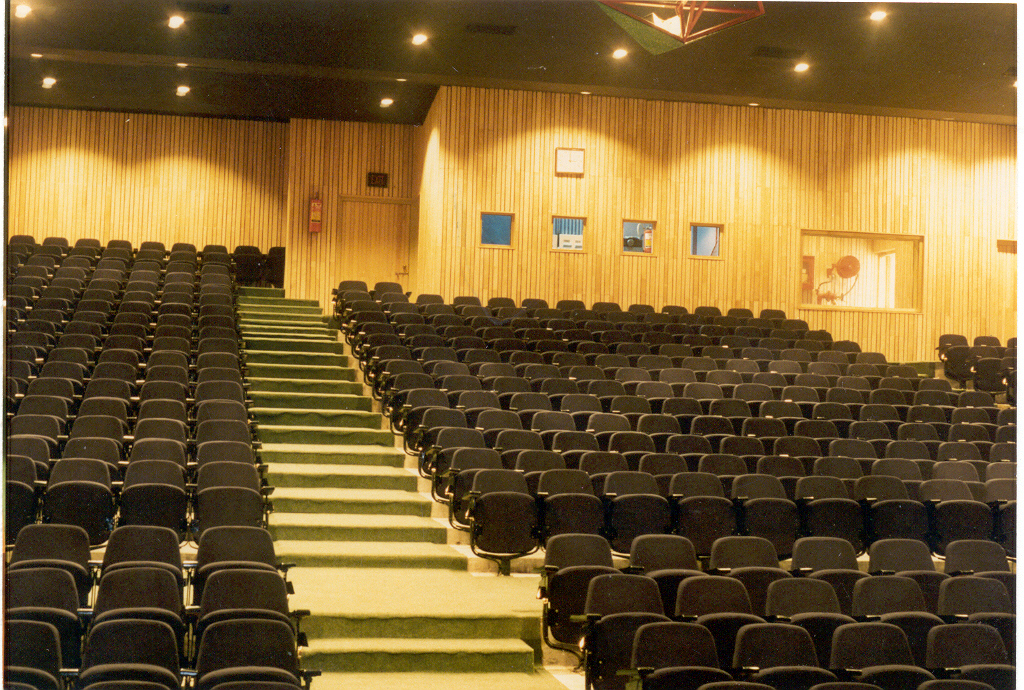
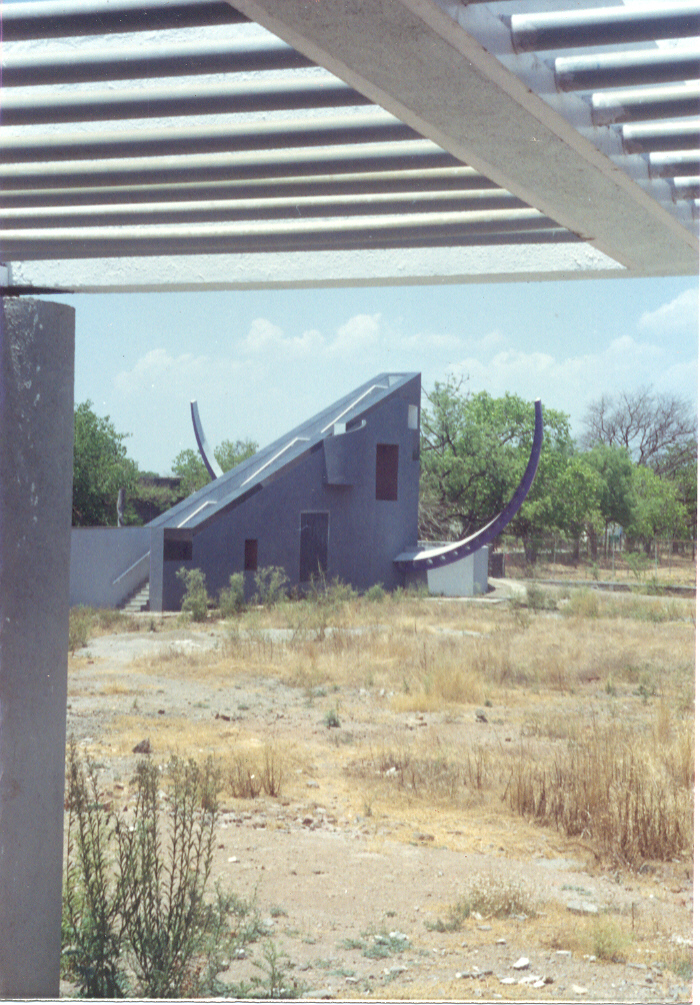
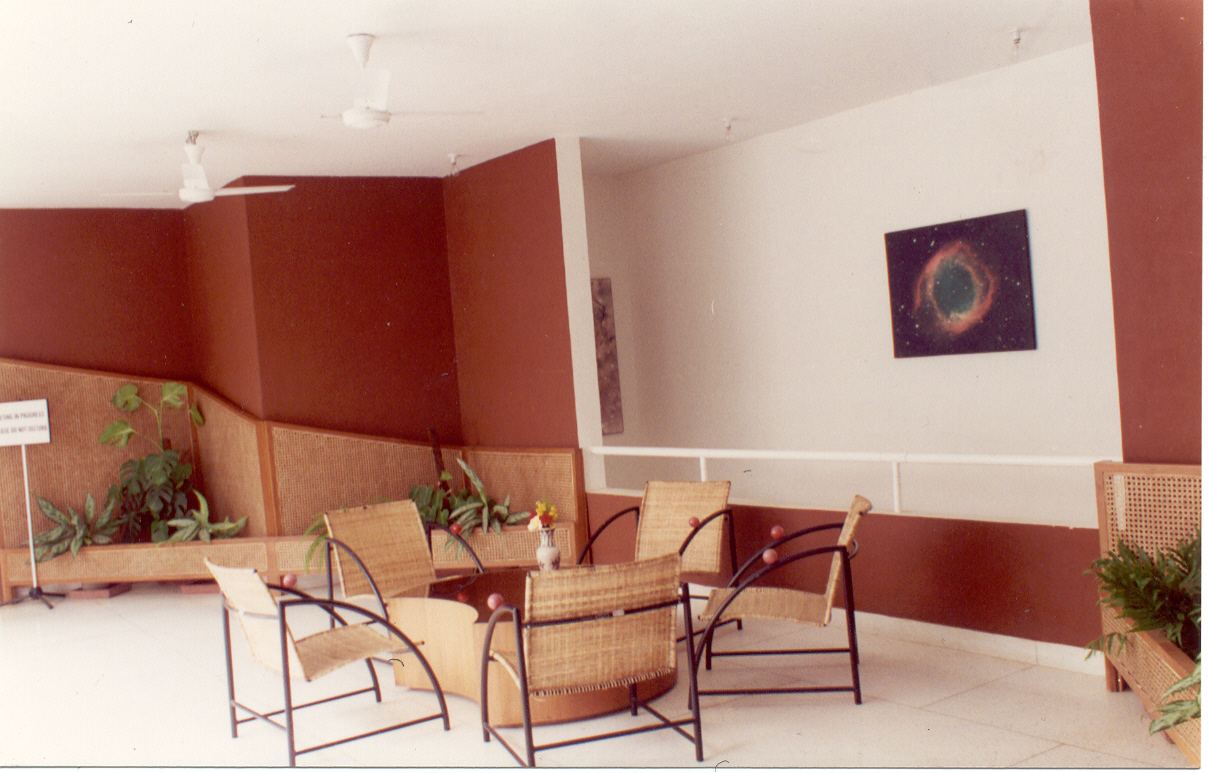
The conference will be held at the IUCAA campus — a landmark designed by Indian architect Charles Correa, known for its open courtyards, sculptures of great scientists, a star-mapped dome, and lush surroundings within Pune University.
By Air — Pune Airport (PNQ)
Pune's nearest airport is located at Lohegaon, approximately 15 km from the city centre. Despite being a relatively small airport, it handles a considerable volume of traffic. It operates regular domestic flights to Mumbai, Delhi, Bangalore, Hyderabad, and several other cities across India, and has recently added international connectivity to Singapore and a few other destinations. That said, most international participants travelling to Pune are expected to fly into Mumbai first, and then take a connecting flight onward to Pune. Mumbai International Airport serves as India's primary aviation gateway, with direct flights to major cities around the world and their connecting hubs. The flight between Mumbai and Pune takes under half an hour. Upon landing at Pune airport, participants can make use of the pre-paid taxi and auto-rickshaw services (₹500–600) available within the airport premises. The nearest landmark to the venue is the Pune University's Khadki–Aundh Road gate.
By Road — From Mumbai Airport
For those arriving at Mumbai International Airport, a convenient option is to hire a taxi (Ola / Uber) directly from the airport and drive to Pune via the Mumbai–Pune Expressway, which takes roughly 3.5–4 hours. The approximate fare ranges from ₹2000–3000. Once in Pune, the destination is the Pune University campus — please refer to the map above to navigate from the main university gate to IUCAA.
If you prefer a more economical option, air-conditioned bus services are also available from Mumbai Airport. Coaches run by M/s K.K. Travels offer a door-to-door drop service right up to IUCAA, at a fare of ₹550 per person. If you would like IUCAA to assist with your travel arrangements, please fill in the arrival and departure form provided. The drive through the Mumbai–Pune Expressway is a genuinely scenic experience, with the Western Ghats accompanying you almost the entire way.
By Train
Pune Railway Station is about 8 km from the IUCAA campus and is well connected to the rest of the country. Trains run frequently between Pune and Mumbai's Chhatrapati Shivaji Terminus (CST) — historically known as Victoria Terminus or VT. Beyond Mumbai, Pune has good rail connectivity to Delhi, Kolkata, Nagpur, Raipur, Allahabad, Bhubaneswar, Hyderabad, Bangalore, Chennai, and more. For trains and e-tickets, visit the Indian Railways website.
On reaching Pune Station, auto-rickshaws and taxis are easily available. The approximate fare by auto-rickshaw is ₹200 and by taxi around ₹350. Tell the driver "IUCAA, Pune University Campus". Once inside the campus, signboards pointing to IUCAA are visible at every crossing. The main gate is about 2.5 km from IUCAA.
Visa Information
A visa must be obtained by most foreign nationals before travelling to India. All foreign participants are requested to apply for a Conference / Business visa through the Indian Consulate in their country. We will apply for clearance from the Ministry of Human Resource Development, Government of India. A copy of this clearance, along with an invitation letter, will be sent to all registered participants requiring a visa.
If your visa application form requires a reference / contact person, please use:
Prof. Ranjeev Misra
Dean, Visitor Academic Programmes
Inter-University Centre for Astronomy and Astrophysics
Post Bag 4, S. P. Pune University Campus, Ganeshkhind
Pune – 411007, India
Email: deanvap@iucaa.in
Accommodation
- On-campus IUCAA guest house (limited rooms, priority to international participants)
- 📄 Restaurants Near IUCAA
- 📄 places to Visit at Pune
- LOC can assist with bookings on request
For queries on registration, abstracts, accommodation, visa letters or general information, please reach out using the details below.
Pune 411007, India
Phone: +91 20 2560 4100
For any query please contact:
Email: xpoco2027@iucaa.in
A staffed help desk will be available throughout the conference at the IUCAA main reception.